ItalyPlanner.com was built out of a specific frustration: the Italy travel content available to the American and international traveler in 2020-2025 was simultaneously vast and uniformly shallow. Every travel blog covered the same ten cities, the same twenty-five restaurants, the same thirty "overlooked spots" that had become so thoroughly discovered that calling them hidden was a specific form of dishonesty. The specific Italy that actually exists, the 7,904 comuni of Italy, the 7,000+ km of Apennine trails, the 3,000+ castles, the 42,000+ churches with significant artistic heritage, the 300+ indigenous grape varieties, the 500+ cheese types, the 52 UNESCO sites, was represented online by content that covered approximately 2% of it with 98% of the available publishing attention.
The ItalyPlanner.com approach: write every page as if the reader is actually going to the place, at the specific level of detail that makes the difference between a wasted half-day and a genuinely memorable visit. The Pincio guide should tell you which direction to face at what time for the best light, not simply that "Rome has beautiful sunsets." The Sepino-Altilia guide should explain why the Roman provincial town is more intact than Pompeii before telling you how to get there. The Arpino guide should give you Cicero's specific biography in the context of his Arpinum origin before sending you up the hill to see the cyclopean walls. This isn't the travel content industry standard, it is the standard that a tour leader with thirty years of experience walking these places applies when briefing clients before visits.
How do you want to see it?
Lazio, ItalyCompare the same experience on GetYourGuide and Viator, save what you like to My Trip, share it, and book when you’re sure. Nearest to this page first.


The ItalyPlanner.com Methodology
Who Writes ItalyPlanner.com
The Anti-Generic Italy Philosophy
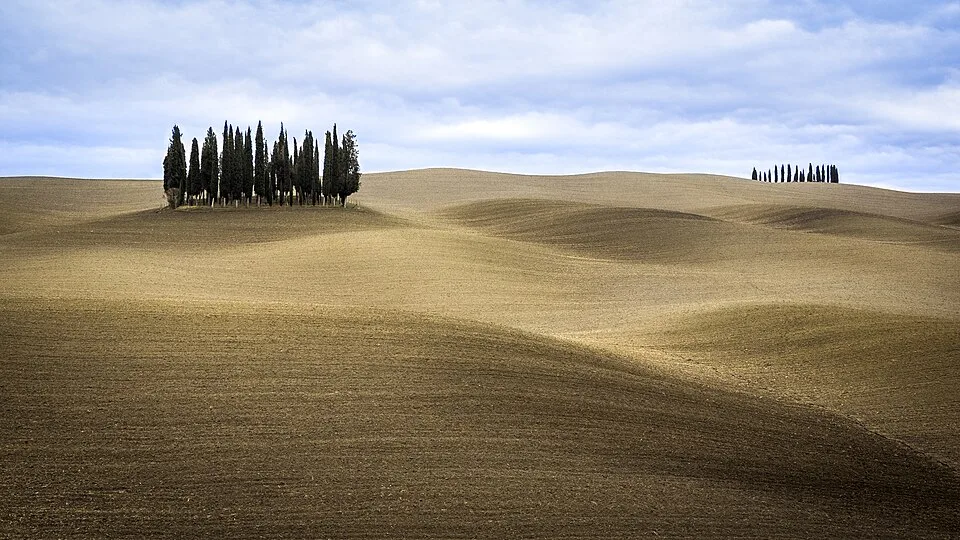
The ItalyPlanner.com editorial position: Italy isn't Venice + Florence + Rome + Cinque Terre. Italy is those four destinations (which are genuinely magnificent and worth visiting) plus 7,900 other places, most of which are more accessible, more authentic, more affordable, and more specifically rewarding than the saturated tourist circuit. The Sepino archaeological site receives 30,000 visitors per year. Pompeii receives 3.5 million. The quality difference doesn't justify a 100:1 visitor ratio. The Garfagnana produces farro IGP and the finest hiking in Tuscany. The Val d'Orcia is in every Italy photograph ever published. Both deserve equal attention. ItalyPlanner.com is the attempt to give that equal attention.
Q&A: About ItalyPlanner.com
How is ItalyPlanner.com different from other Italy travel websites?
Three specific differences: depth (every page is written to the level of detail that enables an actual visit, not the level of detail that enables a click), breadth (the coverage extends to destinations that no other English-language Italy travel site covers in depth. Molise, the Monti Ausoni, the Ligurian Apennine, the Ciociaria), and voice (the writing is from the perspective of someone who has been to these places repeatedly, not someone who has aggregated other people's descriptions of them). The AI integration (the "AI" in ItalyPlanner.com): the site uses AI tools to help in the production of content at scale, but the editorial standard, the specific knowledge, and the quality control are human-authored and human-verified.
Internal Links
- Il Lazio Autentico: La Nostra Filosofia di Viaggio
- Borghi Italiani: La Guida Completa
- Cucina Italiana Regionale: Il Nostro Approccio
- Come Muoversi in Italia: La Guida Pratica
- Musei Italiani: La Guida Completa agli Ingressi
- Itinerari Italiani: La Metodologia ItalyPlanner
- Arte Italiana: Il Nostro Standard Editoriale