How do you want to see it?
ItalyCompare the same experience on GetYourGuide and Viator, save what you like to My Trip, share it, and book when you’re sure. Nearest to this page first.




Italy sailing guide 2025: where to sail, charter tips and the best routes
Italy has over 7,600 km of coastline, 450+ sailing marinas, and some of the most beautiful sailing waters in the world, the Ligurian Sea, the Tyrrhenian, the Adriatic, the waters around Sicily and Sardinia. Italian sailing routes range from weekend charters in the Cinque Terre to two-week circumnavigations of Sicily, from family flotilla holidays on the Tuscan Islands to competitive regattas around the Aeolian Islands. This Italy sailing guide covers the main routes, the best seasons, how to charter a boat in Italy, what documents you need, and the honest assessment of what Italian sailing is actually like in 2025 compared to the brochure.

The best sailing routes in Italy
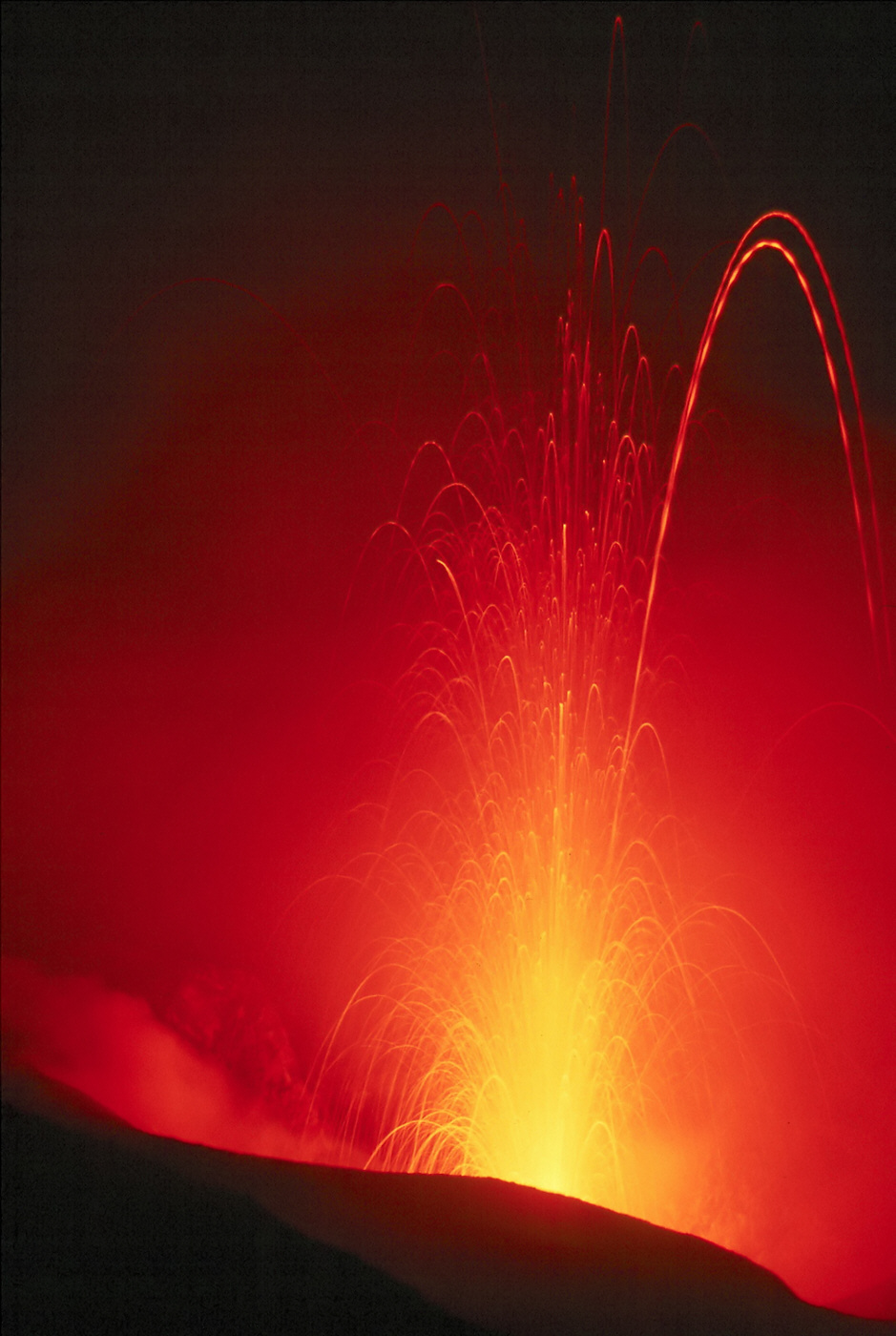
Aeolian Islands (Eolie), Sicily: the most spectacular sailing circuit in the entire Mediterranean. Seven volcanic islands north of Sicily, Lipari, Vulcano, Stromboli, Panarea, Filicudi, Alicudi, Salina, each with a distinct character. Stromboli's volcano erupts continuously (at manageable scale) and sailing past at night watching the lava enter the sea is one of the most extraordinary things you can do on a boat in Italy. The circuit takes 7-10 days from Milazzo (Sicily) or can be done as a loop from Palermo. Best months: June and September for wind reliability and fewer boats.
Pontine Islands, Lazio: Ponza, Ventotene, Santo Stefano, volcanic islands 60-120 km off the coast of Lazio. Ponza has extraordinary rocky coves with turquoise water inaccessible by land. Easy to reach from Naples, Rome (by ferry from Anzio) or chartered from Formia. A 4-7 day circuit is right for a long weekend or short holiday.
Tuscan Archipelago: Elba, Giglio, Capraia, Giannutri, Montecristo (access restricted), a chain of islands in the Ligurian and Tyrrhenian Seas off the Tuscan coast. Charter bases in Livorno, Piombino and Porto Santo Stefano. The waters are generally calmer than Sicily, good for families and less experienced sailors.
Sardinia (Costa Smeralda and La Maddalena): the sailing waters around the La Maddalena Archipelago in northeastern Sardinia are first-rate. The interaction of wind and current through the narrow passages between the granite islands creates sailing conditions that have made this area an international destination. Porto Cervo and Porto Rotondo have major charter bases.
Do I need a sailing license to charter a boat in Italy?
In Italy, you need a patente nautica (Italian boating license) or an equivalent recognized international license to charter a boat over 6 meters and sail beyond 1 nautical mile from the coast. The ICC (International Certificate of Competence) issued by most national sailing authorities is recognized in Italy. Charter companies will ask for your license and log book at check-in. For smaller boats under 6m within 1 mile from shore, no license is required.
The Italian sailing tradition
Sailing in Italy has very ancient roots, the maritime city-states of Venice, Genoa, Amalfi, and Pisa built their commercial fortunes on Mediterranean navigation. Modern sport sailing in Italy developed in the 19th century with the first Adriatic regattas. The Yacht Club Italiano was founded in Genoa in 1879, it's among the oldest yacht clubs in the world. The America's Cup has an Italian history: the Circolo della Vela Sicilia and the Luna Rossa teams have represented Italy in the international competitions from 2000 on. Pleasure-boat building is today one of the strongest made-in-Italy industries, Beneteau, Jeanneau, and Dufour produce in France but many of the most innovative shipyards (Azimut, Ferretti, Perini Navi) are Italian.
When is the best time to sail in Italy?
The best sailing season in Italy runs from May to October. May-June is ideal: warm enough for swimming, reliable winds (Tramontane in the north, Maestrale in the south), fewer boats at anchor in the anchorages. July-August has the most consistent breeze but the busiest marinas, highest prices and the most crowded anchorages. September is the best month overall, warm water (25°C+), fewer tourists, lower prices, and often the best wind conditions of the year.

How much does it cost to charter a sailing boat in Italy?
Charter prices in Italy in 2025 vary widely. A bareboat charter (no crew) of a 40-foot monohull: €1,500-2,500/week in low season, €2,500-4,500/week in July-August. Catamarans of equivalent size: multiply by 1.5-2. A skippered charter (with professional skipper included): add €150-250/day for the skipper. The Aeolian Islands and Sardinia command the highest prices. The Adriatic coast and Tuscan Archipelago are cheaper.
The Italian coast: guides for sailors
Practical questions: traveling in Italy more intelligently
How do you find a good local restaurant in Italy? Three reliable signals: the tables full of people speaking Italian (not English), the menu handwritten or on a blackboard (it changes with the season), the distance from the main attractions (over 200m from the main square is already a good sign). Avoid the restaurants with menus in 6 languages and laminated photos of the dishes.
How do you book certified tour guides in Italy? The official tour guides in Italy have a license issued by the relevant Region. They're found through the regional associations (AGAT, ASTI, Federagit) or through portals like TourLeaderPro.com. A certified guide makes the difference between a generic visit and an experience that changes the way you look at a place.
How do you get around between the Italian islands? Tirrenia and Grimaldi ferries for Sardinia and Sicily (from Genoa, Livorno, Civitavecchia, Naples, Palermo). Ustica Lines and SNAV hydrofoils for the smaller islands (the Aeolians, the Pontine, the Egadi). In summer book the car on the ferry months ahead, the car spots sell out fast.
What do you do if you lose your wallet in Italy? File a report at the Questura or with the Carabinieri (for the loss or theft). For travel documents: contact your country's consulate. For the cards: an immediate block via the banking app and the toll-free number. For stolen cash: travel insurance reimburses it partially if you have the report. The Polfer (Railway Police) in the stations has a lost-property office.
How does the right of return work in Italian shops? In Italy the right of return for buys in a physical shop isn't required by law (unlike online buys). If the seller doesn't offer it voluntarily, you can't return the buy. Always check the return policy before buying valuable items.

Five aspects of Italy the guidebooks ignore
1. The African summer of the cities: July and August in the big Italian cities (Rome, Naples, Palermo) are scorching, 35-40°C with humidity. The local middle class leaves the cities in August (especially the week of Ferragosto). The cities become almost empty of locals and full of tourists. The museums are essential air-conditioned refuges. The real "Italian experience" in August is at the sea or in the mountains, not in the art cities.
2. The unwritten code of the thermal waters: At many Italian spas (especially the natural public ones) there's an unwritten etiquette: don't talk loudly, don't bring food into the water, give up your spot to the older people in the hottest pools. These behaviors are obvious to Italians, less so to foreign tourists.
3. The museums closed for restoration: In Italy it's very common for rooms or whole sections of the museums to be closed for restoration without notice on the website. Always check what's actually open by calling the museum directly the day before. This applies even to the major sites like the Uffizi and the Vatican Museums.
4. The value of paper guides: The Touring Club Italiano (TCI) guides and the Gambero Rosso Ristoranti d'Italia are the most reliable paper guides for Italy. Out of fashion in the app era, they're still more accurate and up to date than the user-generated content online for many minor destinations.
5. The prices in the center bars vs the neighborhood bars: In any Italian tourist city there's a price difference of 50-200% between the bars facing the main monument and the bars two streets away. A coffee in Piazza San Marco in Venice costs €7-12 with the "show" included; 200 meters away the same coffee costs €1.20-1.50. Both experiences are legitimate but knowing the difference avoids surprises.
Deep dive: building smart Italian itineraries
The principle of geographic proximity: Italian tourism works best when you respect the geographic logic of the territories. Sicily is visited all in one week or split into two distinct zones (Palermo-Agrigento-Trapani in the west. Catania-Siracusa-Noto-Ragusa in the east), mixing the two in one week produces stress and little learning. The same goes for Tuscany (Florence-Chianti-Siena vs Maremma-Grosseto-Coast), the Veneto (Venice-Vicenza-Verona vs Belluno-Dolomites-Treviso).
How to plan a tailored itinerary in Italy: Start from the number of nights available. Subtract 1-2 for the transfers. Divide the rest into geographic clusters of 2-3 nights. Don't change base every day, it's tiring and expensive. A fixed base with radial trips is the most efficient structure for exploring a territory in depth.
Agriturismo vs hotel: when to choose which: The agriturismo (farm stay) is the right choice when: you want to immerse yourself in the rural landscape, you have your own transport, you prefer the homemade breakfast to the industrial buffets, you're looking for contact with the local producers. The hotel is right when: you're in a city, you have no car, you need a 24h front desk, or you travel for fewer than 2 nights in a location.
How to read a wine list at an Italian restaurant: The wine list at a good Italian restaurant is organized by region, not by type of wine. Look for the section of the region you're in: the local wines are almost always the best value at a regional restaurant. The "house" wine (sfuso) at many trattorias is produced by quality local winemakers, don't be afraid to ask for it.
How to take food and wine home from Italy: Non-perishable products in the suitcase (pasta, preserves, honey, taralli dough, biscuits, grappa, limoncello): no problem. Cheeses and cured meats: the dry aged products (parmigiano reggiano, pecorino, vacuum-packed cured ham) pass US and UK customs. Fresh and soft cheeses: problems at the international checks. Wine: a maximum of 5 liters per passenger in checked baggage. Use protective wine skins to avoid breakage.
Why Italy has so many UNESCO sites
Italy, with 58 UNESCO sites as of 2025, is the country with the most World Heritage sites. This concentration reflects the density of history, art, and cultural landscapes in a relatively small territory, the peninsula has been inhabited, urbanized, and culturally active for 3,000 consecutive years, with layerings rarely found elsewhere. Each UNESCO site tells a different chapter of this layering: the Trulli of Alberobello document a medieval building system. The Dolomites a geological landscape. Pompeii a Roman city preserved by disaster. The historic center of Florence five centuries of artistic greatness. The geographic distribution is skewed toward the Center-North, the southern regions have exceptional sites (Agrigento, Paestum, Caserta, Matera) but fewer in number relative to the enormous heritage they hold.
The most frequent questions about Italy in 2025
Is Italy expensive? It depends a lot on where and how you spend. The top art cities (Venice, central Florence, the Amalfi Coast) are among the most expensive destinations in Europe in high season. Inland Italy, the South, and the shoulder seasons are very affordable.
Is English spoken in Italy? In the main cities and the tourist areas, yes, fairly. In the countryside and the smaller villages, less. Google Translate with the camera is very useful for menus and signs.
Is it possible to travel in Italy without a car? Yes for the main cities and the coast. No for the deep interior, the hilltop villages, the wine areas. Italy can be explored well by train between the major centers and by car for the rural areas.
Which Italian region is the most beautiful? There's no answer, every region has its own excellences. Asking "which is the most beautiful Italian region" is like asking which musical movement is the most important.