Painting Holiday Italy: The Light, the Landscape, and the Operators Who Understand Both
Cézanne painted Mont Sainte-Victoire 44 times trying to resolve how the Provençal light fell on limestone. Turner painted Venice in watercolor because no other medium captured the specific diffusion of the Adriatic light through the lagoon humidity. Corot came to Italy for the morning light on Roman pines and changed European landscape painting. Italian light has been the primary subject of European painting for 500 years. A painting holiday in Italy is the most direct engagement with the tradition that built the medium.
Compare the same experience on GetYourGuide and Viator, save what you like to My Trip, share it, and book when you’re sure. Nearest to this page first.
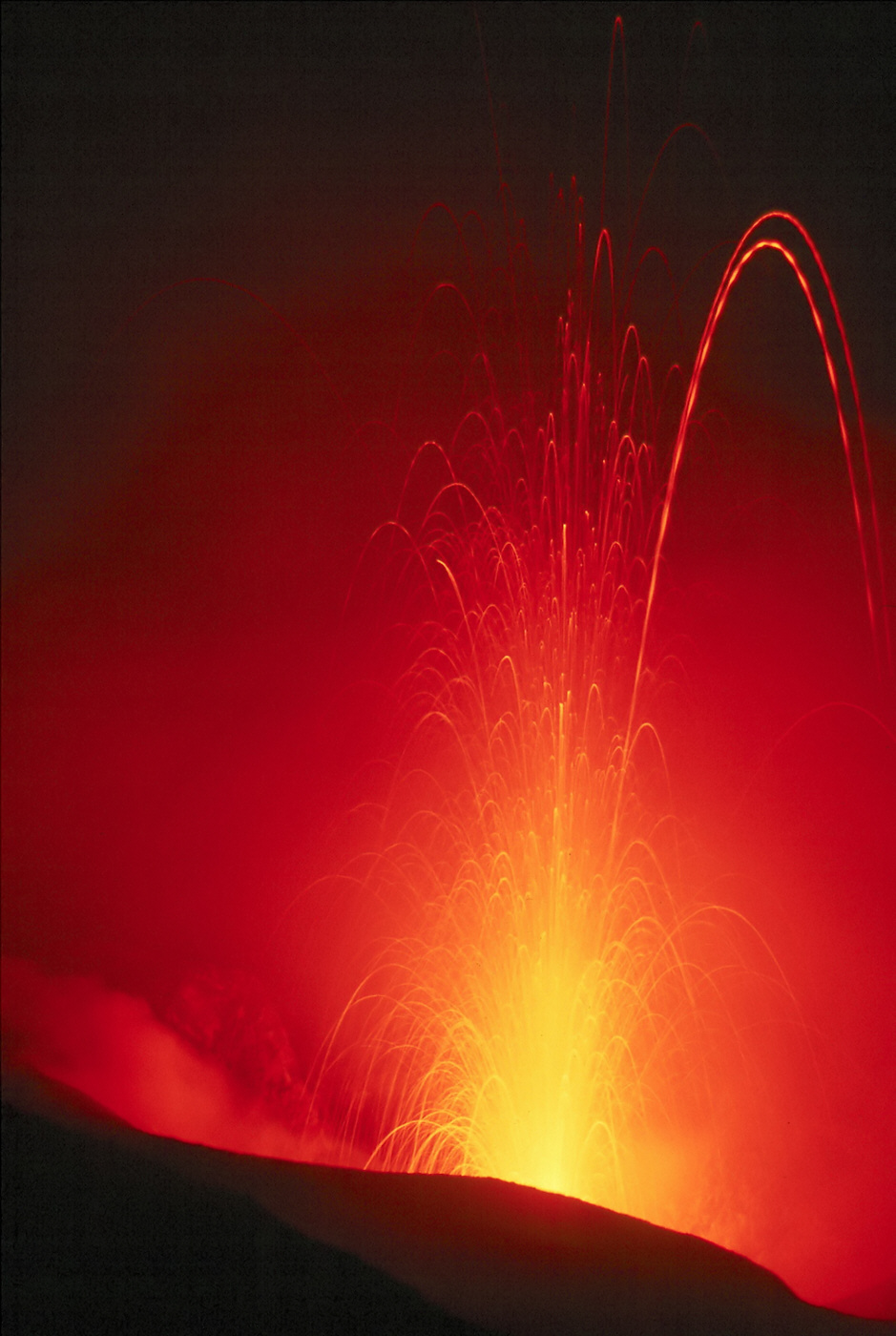
Volcano by night300 reviews
Aeolian Islands
Stromboli erupting after dark, seen from the deck of a sailboat.
What Italian Light Does to Painting: The Technical Context
The specific optical qualities of Italian light that explain 500 years of painter pilgrimage: the Italian peninsula's latitude (36°–47°N) and the combination of Mediterranean heat (which increases the atmospheric humidity that softens shadows) and the specific quality of the southern Italian and Tuscan limestone (white and cream-colored stone that reflects and radiates heat, warming the air above it) produce a light that is simultaneously intense and diffuse. The specific visible effects: shadows are warmer in color temperature than northern European shadows (the shadow of a Tuscan cypress in May afternoon is violet-gray rather than blue-black). The highlight-to-shadow contrast ratio on pale limestone buildings is lower than on northern European sandstone or brick (a painter's contrast range of approximately 6–8 stops vs 9–11 in Northern Europe, the compression making the Italian palette more manageable). And the specific hue of the Mediterranean sky (the combination of UV absorption by the atmosphere at this latitude and the specific wavelength scattering of the Mediterranean humidity producing the deep cerulean-to-cobalt that distinguishes Mediterranean-latitude sky from northern European sky).
The specific painting traditions that Italian light suits: Watercolor: The diffuse Mediterranean shadow quality reduces the harsh contrast that makes shadows difficult in watercolor, the Italian watercolorist has a more forgiving contrast range than the equivalent northern European exercise. The warm shadow temperature allows the use of the violet-to-warm-brown range that is watercolor's most specific strength. Turner in Venice (1819, 1833, 1840, three Venice trips) is the most-studied example of what Italian watercolor actually looks like in expert hands. Plein air oil: The stable Italian weather (particularly the Tuscan and southern Italian summer. June–September with predictable morning calm before the afternoon wind) allows extended outdoor sessions without the interruption of northern European weather change. The Italian plein air tradition (the Macchiaioli, the Italian Impressionists, based in Florence 1850s–1880s, who developed simultaneous-with-but-independent-of the French Impressionist approach to outdoor painting) is the most specifically Italian painting historical reference.
The Macchiaioli and the Italian plein air tradition: The Macchiaioli (the "spot-makers", the pejorative name applied by critics to the Italian Impressionists, based on their technique of applying paint in "macchie," patches of color without blending) developed their approach at the Caffè Michelangiolo in Florence (Via Cavour 21, the café is now a restaurant, but the historical plaque marks the site of the group's meeting place 1856–1865). The Macchiaioli. Giovanni Fattori, Silvestro Lega, Telemaco Signorini, and others, were working outdoors in the Tuscan countryside with the specific plein air approach 15 years before Monet exhibited at the first Impressionist exhibition (1874). The connection: the French critic Champfleury saw both the Macchiaioli and the nascent French Impressionists in the 1860s and described both as independently arriving at the same truth, that painting outdoors in natural light required abandoning the studio-learned academic shadow conventions. The Macchiaioli are the most historically unjustly underrated group in 19th-century painting, their work is available in Florence at the Palazzo Pitti Galleria d'Arte Moderna (€12, the most complete Macchiaioli collection, Room 18–25). The specific painting location the Macchiaioli used most: the Fattori farm at Castiglioncello (Livorno province, Tyrrhenian coast) and the Lega circle at Piagentina (a village near Florence, now the Fiesole area, accessible on foot from Florence).
Картина Константина Андреевича Сомова (1869-1939) · photo Konstantin Somov · Public domain · via Wikimedia Commons
Painting Holiday Operators Italy: What to Look For
Val d'Orcia watercolor (Tuscany): The most marketed Italian painting holiday format, multiple operators offering week-long watercolor courses in Tuscan villas with the Val d'Orcia cypress road as the primary motif. The quality distinction: operators who provide field instruction at the actual locations (sunrise, when the light is correct, requiring 5am departure from the accommodation) vs operators who provide studio instruction with photographs of the locations. The field instruction format produces painting. The studio-with-photographs format produces copying. The best-established Val d'Orcia watercolor operators: Tuscany Art Workshops (tuscanyartworkshops.com, the most established, with 25+ years of Val d'Orcia programs, maximum 8 students, all instruction at dawn and dusk locations, the specific morning light emphasis that distinguishes serious from tourist painting holidays). And The Painting School of Montmiral (paintingschool.com, the most academically rigorous program, certified tutors with verifiable exhibition histories, week-long watercolor and oil programs). Aeolian Islands oil painting: The most dramatically specific Italian painting environment. Stromboli (the active volcano island, accessible from Milazzo, the eruptions every 15–30 minutes providing the most dynamic light event in Italian painting) and Panarea (the smallest inhabited Aeolian island, car-free, limited accommodation) as painting bases. Operators: Mediterranean Art School (mediterraneanartschool.com, the most established Aeolian painting holiday operator, Stromboli and Salina bases, week programs July–September).
What are the best painting holidays in Italy?
Italy's best painting holiday formats by landscape type: Val d'Orcia watercolor (Tuscany, the most marketed, the most specifically photogenic landscape, the cypress roads and biancane clay hills, best operators: Tuscany Art Workshops and The Painting School of Montmiral). Aeolian Islands oil (Sicily, the most dramatically geological, the Stromboli volcanic light, the Panarea car-free painting environment, best operator: Mediterranean Art School). Umbrian landscape oil (the most paint-able central Italian landscape for oil, the olive groves, the rolling countryside without the famous cypress tree composition that tends to produce imitative rather than original work). And Venice watercolor (the most technically challenging and most historically significant, the lagoon atmospheric diffusion, the Venetian color tradition, operators in Venice typically based in the Dorsoduro). The evaluation criterion: does the operator's faculty have verifiable solo exhibition histories? Is the instruction provided outdoors at the painting location? Is the maximum class size stated?
The Specific Italian Painting Materials
The Italian watercolor tradition uses specific materials that the visitor-painter should know: the Fabriano paper tradition (Fabriano, Marche, the paper-making town since the 13th century, producing the most celebrated European watercolor papers, including the Fabriano Artistico and the Fabriano Tiepolo, the latter specifically designed for the transparent wash technique used in the Venetian tradition). And the Italian earth pigments (the specific ochres, siennas, and umbers, raw sienna from the Siena area clay deposits, raw umber from the Umbrian ore, that are now produced industrially but whose original provenance is specifically Italian and whose specific warm-brown color range is most native to the Italian landscape). Buying artist-quality materials in Italy: the most complete Italian art supply stores are the Zecchi shop in Florence (Via dello Studio 19, the most celebrated Italian artists' supply shop, 50m from the Duomo, supplying Florentine artists since the 1940s, the most complete Italian earth pigment selection available in Europe) and the Maimeri shop in Milan (Via Barozzi 2, the manufacturer's flagship store for the most important Italian watercolor paint brand). Related: Tuscany guide.
Book Your Italian Painting Holiday
Tuscany Art Workshops Val d'Orcia application, Mediterranean Art School Aeolian Islands program, Zecchi Florence art supply store, and the Palazzo Pitti Macchiaioli collection visit guide.
Colosseum in Rome April 2007 1 copie 2B · photo Diliff · CC BY-SA 2.5 · via Wikimedia Commons
Italy's Extraordinary Baroque Organ Tradition: The Instruments in the Churches
Italy has the most extensive historic pipe organ heritage in Europe, approximately 25,000 surviving historic organs in Italian churches, of which approximately 3,000 are instruments of significant artistic and historical importance. The Italian organ tradition from the 16th to the 18th century produced the instruments on which Bach and Handel studied Italian music, and the specific Italian organ sound (the ripieno, the characteristic full mixture of principals that gives the Italian baroque organ its brilliantly luminous, transparent sound distinct from the German or French equivalents) is the most specifically Italian instrumental sound of the 17th century:
The organs of Santa Maria del Popolo, Rome: The two facing organs in the nave of Santa Maria del Popolo (the church with the two Caravaggio paintings in the Cerasi chapel, described in multiple Rome guides) are among the finest 17th-century Roman organs surviving in their original case and pipework. Occasionally used for concerts. Viewable at any time during church opening. The Callido organs of Venice: Gaetano Callido (1727–1813), the most important Italian organ builder of the 18th century (240+ instruments built, primarily in the Veneto and Friuli), built instruments for Venetian churches including the Frari and the Redentore. The Frari organ (the north transept organ, partially Callido, partially later) is heard during Sunday Mass and at the specific Frari organ concerts series (typically October–April, check iffrari.org). The Serassi organs of Bergamo and the Veneto: The Serassi workshop (Bergamo, 1720–1895, the most productive Italian organ builder family in history, 450+ instruments) built the specific Bergamo Cathedral organ (Piazza Duomo, Bergamo Bassa, the most complete 19th-century Serassi organ surviving, heard during the Bergamo organ festival, November). Attending an Italian Baroque organ concert in a church with a historic instrument is the most acoustically specific Italian music experience available, more so than a modern concert hall, because the instrument and the architectural space were designed simultaneously.
Where can you hear a historic pipe organ in Italy?
Italy's most accessible historic pipe organ performances: Basilica dei Frari, Venice (organ concerts October–April, check iffrari.org, free or small donation). Bergamo Cathedral (November organ festival, historicSerassi organ). Rome Santa Maria Maggiore (Sunday Vespers with organ, free, one of Rome's most historically significant instruments). And the Cattedrale di Siena (the two facing organs in the nave, the most elaborate Italian cathedral organ case-work, used for High Mass). The most comprehensive Italian organ festival: the Settimana Organiztica Internazionale di Roma (Rome International Organ Week. October, 8 concerts in 8 different Roman churches, each featuring a different historic instrument, one of the finest organ series in Europe, most concerts free).
Italy's Salt Flats and Salterns: The Most Underrated Italian Natural Heritage
Italy has surviving salt production salterns (saline) that are simultaneously extraordinary landscapes, working historical industrial heritage, and important bird habitats:
Saline di Trapani e Paceco (northwest Sicily): The most extensive and most historically significant Italian salterns. 1,000+ hectares of evaporation ponds on the Sicilian coast between Trapani and Marsala, with the specific pink-to-white color gradient of the salt crystallising in the ponds (the color produced by the Halobacterium salinarium, the halophilic archaea that metabolise in the brine and produce the carotenoid pigments that color the water orange-pink in specific concentration conditions). The Museo del Sale (the Salt Museum, Via Chiusa, Nubia locality, free entry, Tuesday–Sunday 9am–1pm and 3–7pm) documents the traditional Sicilian salt production in the windmill-driven pumping infrastructure. The windmills (the 400-year-old grinding and pumping windmills on the saltern causeways, partially restored and maintained as working heritage) are the most photographed Trapani landscape element. The flamingo colony (Phoenicopterus roseus, the greater flamingo, which has bred at the Saline di Trapani since 1996, the only Sicilian breeding flamingo colony) is present from March to October, visible at dawn from the causeway walking path. Saline di Cervia (Ravenna province, Emilia-Romagna): The most complete medieval-plan saltern in Italy, the Cervia salt pans have been continuously operated since the 10th century, with the specific San Vito layout (the grid of evaporation ponds extending inland from the Adriatic) preserved intact. The Cervia salt (Sale di Cervia, the most celebrated Italian artisan sea salt, harvested once per year in late August/September, unrefined, moist, the specific mineral composition of the Adriatic coastal brine, available at the Magazzino del Sale in Cervia at €4–8/kg) is the most specifically valued Italian culinary salt. The harvest period (August 25–September 10 approximately) is the most photographically and experientially rewarding visit window: the salt harvest combines the geological spectacle of the crystallised salt beds with the traditional equipment and the specific labour of the salters.
What are Italy's best salt flats to visit?
Italy's most significant salt flats: Saline di Trapani e Paceco (northwest Sicily. 1,000+ hectares, the most extensive, the flamingo colony, the windmill heritage, Museo del Sale free, the most photogenic Italian saltern). Saline di Cervia (Romagna Adriatic, medieval-plan salterns, the most celebrated Italian artisan salt, harvest festival late August, Magazzino del Sale shop). Laguna di Orbetello (Tuscany Maremma, the coastal lagoon with salt flats and flamingos, the Maremma nature reserve birds, accessible from Albinia). And the Saline di Margherita di Savoia (Puglia Adriatic, the most productive Italian saltern, 3,800 hectares, the largest saltern in Europe by area, the pink flamingo colony, the salt museum, accessible from Foggia). All are accessible by car. Most have free public walking access to the perimeter causeways.
Plan the rest of your Italy trip
The essentials, compared and booked with the official sellers. Same price for you. We may earn a commission.
Italy How do you want to travel?
Tours & experiencesGYG · Viator
Top things to do in Italy, compared across sellers